Introduction
Many students complete their degree but still feel confused about careers, interviews, and job opportunities. Some students have good academic scores but lack practical skills, confidence, and industry exposure. This is one of the biggest reasons why many freshers struggle to get placed after graduation.
The good news is that students can become job ready in 6 months with the right learning approach, practical skills, and consistent effort. Today, companies are hiring candidates who can solve problems, use industry tools, and work on real projects rather than only having theoretical knowledge.
In this blog, we will explore how students can become job ready in 6 months, which skills to focus on, and how practical learning can improve career opportunities in 2026.
Why Many Students Are Not Job Ready After Graduation
Many students face career challenges because college education alone is often not enough for industry requirements.
Common Student Problems:
- Lack of practical skills
- No internship experience
- No live projects
- Weak communication skills
- Lack of confidence
- Poor resume quality
- No portfolio
- Outdated syllabus
- No interview preparation
- Limited industry exposure
Most students focus only on exams and marks. But companies expect real-world skills and practical knowledge.
Why This Gap Exists Between Education and Industry
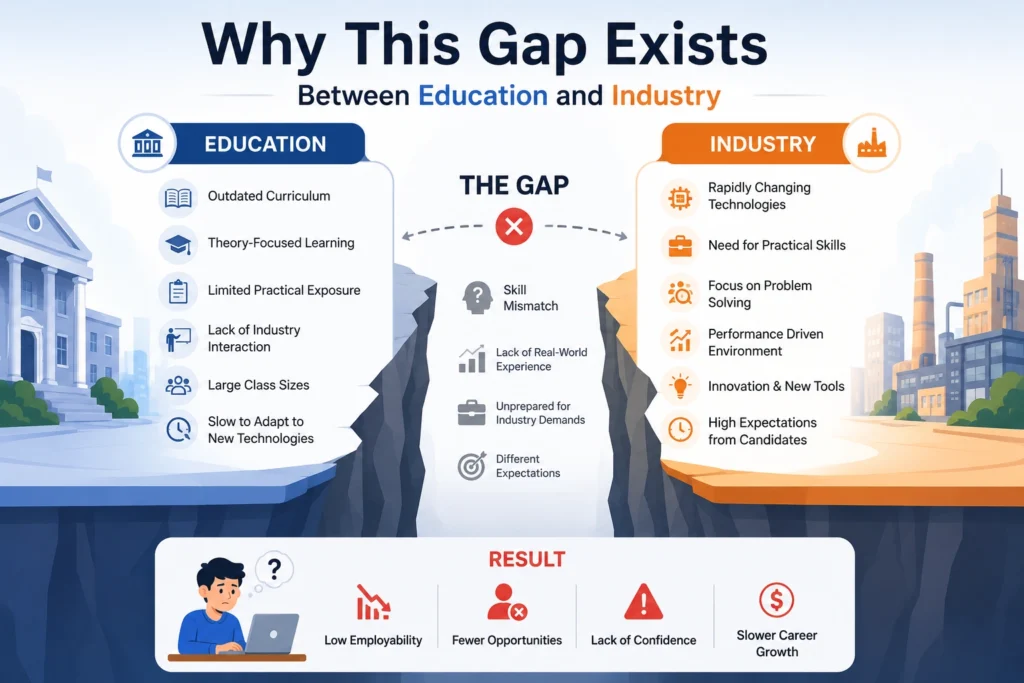
The education system mainly focuses on theory-based learning.
However, companies today expect students to have:
- Hands-on project experience
- Tool knowledge
- Problem-solving ability
- Communication skills
- Team collaboration
- Technical execution skills
- AI and automation awareness
Because of this gap, many graduates feel unprepared during placements and interviews.
Can Students Really Become Job Ready in 6 Months?
Yes. With proper planning and consistent learning, students can significantly improve their career readiness within 6 months.
The key is:
- Learning practical skills
- Working on projects
- Building a portfolio
- Improving communication
- Understanding industry trends
- Gaining internship experience
Students do not need to master everything. They only need strong fundamentals and practical exposure to start their career journey.
Step-by-Step Plan To Become Job Ready in 6 Months
Month 1 – Choose a Career Path
The first step is selecting a skill or industry based on interest and market demand.
Popular Career Options:
- Digital Marketing
- Artificial Intelligence
- Data Science
- Web Development
- UI/UX Design
- Python Programming
- Cyber Security
- Power BI
Choosing one focused career path helps students avoid confusion and learn faster.
Month 2 – Learn Industry-Relevant Skills
After selecting a field, students should focus on learning practical concepts and tools.
Example Skills:
Digital Marketing:
- SEO
- Social Media Marketing
- Google Ads
Web Development:
- HTML
- CSS
- JavaScript
Data Science:
- Python
- SQL
- Data Visualization
UI/UX Design:
- Figma
- Wireframing
- User Research
Month 3 – Start Working on Projects
Projects help students apply knowledge practically and improve confidence.
Project Ideas:
- Build a website
- Create social media campaigns
- Design mobile app screens
- Analyze datasets
- Create AI-based workflows
Projects also improve resumes and portfolios.
Month 4 – Learn Industry Tools
Companies prefer candidates who already know professional tools.
Important Industry Tools:
Tool knowledge improves employability and practical understanding.
Month 5 – Build Resume, Portfolio, and LinkedIn
Students should now focus on personal branding and professional presentation.
Important Areas:
- Create a strong resume
- Build LinkedIn profile
- Upload projects on GitHub
- Create portfolio website
- Write skill-based posts online
A strong portfolio increases chances of getting internships and interviews.
Month 6 – Prepare for Interviews and Apply for Jobs
The final stage is interview preparation and job applications.
Focus Areas:
- Aptitude preparation
- Mock interviews
- Communication skills
- HR interview questions
- Technical interview practice
Students should start applying for:
- Internships
- Freelancing work
- Entry-level jobs
- Remote opportunities
Consistency during these 6 months can create major career improvements.
Best Skills To Become Job Ready in 2026
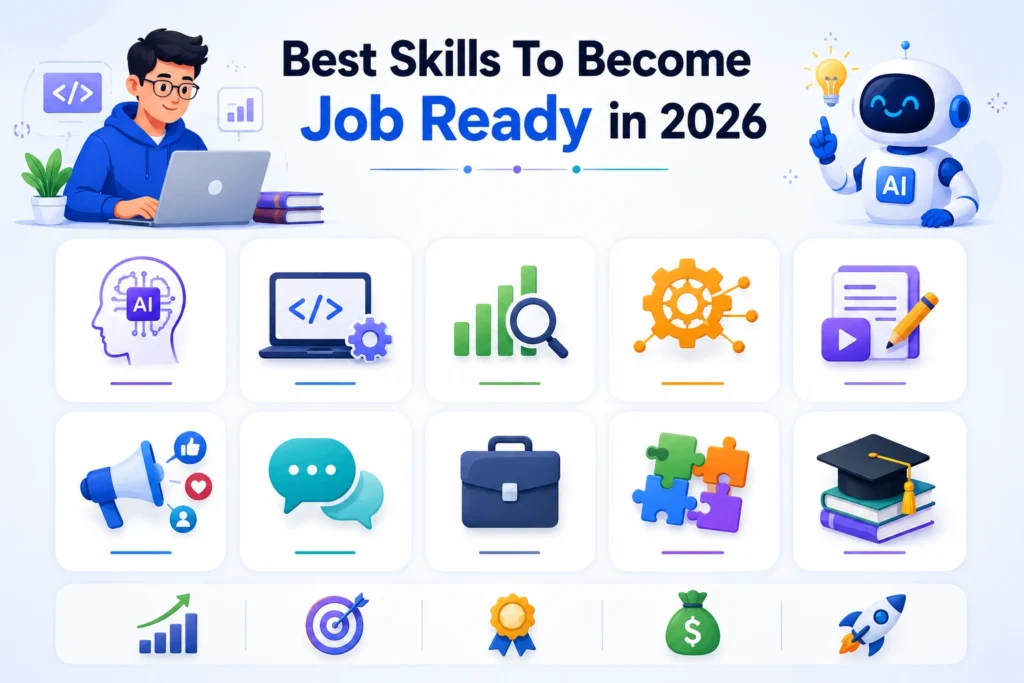
Some skills are expected to remain highly valuable in the future job market.
High-Demand Skills:
- Artificial Intelligence
- Digital Marketing
- Data Science
- Cyber Security
- Web Development
- UI/UX Design
- Cloud Computing
- Python Programming
Students who combine technical skills with communication skills will have better opportunities.
Importance of Practical Learning
Practical learning helps students understand how industries actually work.
Students Should Focus On:
- Live projects
- Assignments
- Internships
- Case studies
- Portfolio building
- Certifications
Practical exposure increases confidence and interview performance.
Industry Trends in 2026
The hiring process is changing rapidly across industries.
Current Hiring Trends:
- Skill-based hiring
- AI integration in companies
- Demand for practical experience
- Portfolio-focused recruitment
- Remote job opportunities
- Automation-related careers
Companies now prefer candidates who can demonstrate skills practically instead of only showing academic marks.
How Coursiva Helps Students Become Job Ready
Platforms like Coursiva help students gain practical learning experience through industry-focused training programs.
Coursiva supports students with:
- Practical assignments
- Live projects
- Internship opportunities
- Certifications
- Industry mentorship
- Placement support
- Career guidance
The goal is to help students build real-world skills that match industry expectations.
Career-Focused Courses Offered by Coursiva
Students can explore multiple industry-ready programs.
Popular Courses:
- Digital Marketing
- Artificial Intelligence
- Web Development
- Data Science
- Python Programming
- UI/UX Design
- Machine Learning
- Cyber Security
- Power BI
Benefits:
- Practical learning
- Real-time projects
- Internship support
- Portfolio development
- Industry tool exposure
- Career assistance
Tips To Stay Consistent During the 6-Month Journey
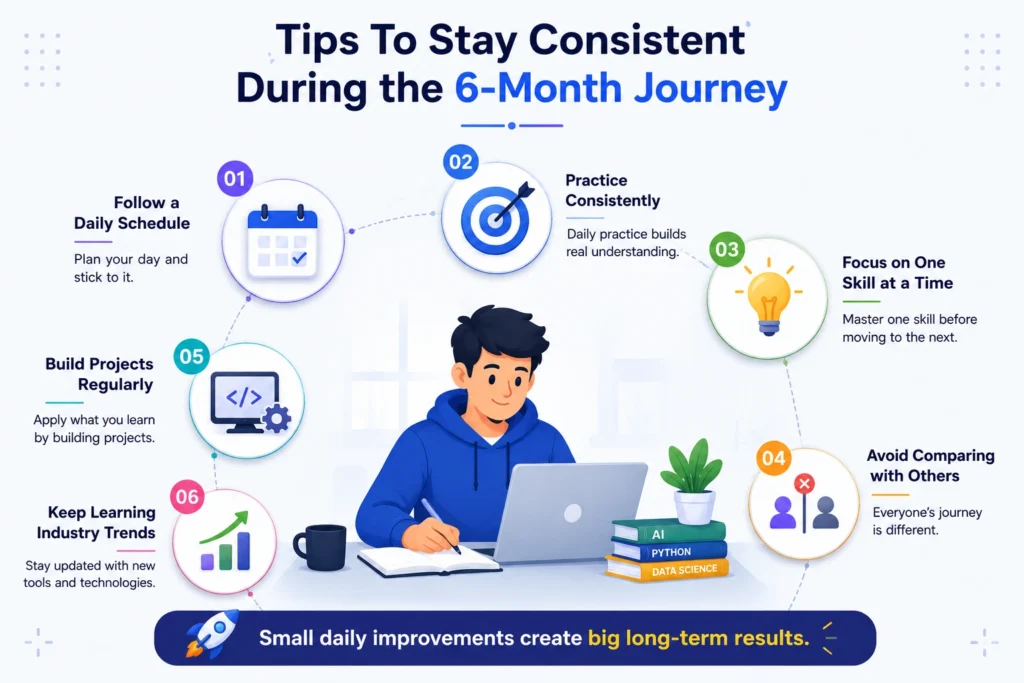
Many students start learning but stop midway due to lack of motivation or planning.
Tips for Success:
- Follow a daily schedule
- Practice consistently
- Focus on one skill at a time
- Avoid comparing with others
- Build projects regularly
- Keep learning industry trends
Small daily improvements create big long-term results.
Frequently Asked Questions (FAQs)
1. Can I become job ready in 6 months?
Yes. With consistent learning, practical projects, and skill development, students can become job ready within 6 months.
2. Which skill is best for freshers in 2026?
Digital Marketing, AI, Web Development, Data Science, UI/UX Design, and Cyber Security are highly in-demand skills.
3. Do companies prefer skills over degrees?
Many companies now prioritize practical skills, project experience, and tool knowledge along with educational qualifications.
4. How important are internships for students?
Internships provide real-world experience, improve confidence, and help students understand industry workflows.
5. What should students focus on after graduation?
Students should focus on practical skills, certifications, live projects, internships, and communication development.
Conclusion
Becoming job ready in 6 months is possible when students focus on practical learning, projects, and industry-relevant skills.
Instead of only depending on degrees, students should:
- Learn modern tools
- Build portfolios
- Gain practical experience
- Improve communication skills
- Stay updated with industry trends
The earlier students start building real-world skills, the stronger their career opportunities will become.